
In the Sunshine State, where the skies are as bright as your next BBQ, drones have found their home. These flying gadgets aren’t just for tech enthusiasts or hobbyists: they’ve transformed various industries. Whether you’re eyeing the coastline for the perfect surf spot or surveying farmland, Florida drones are everywhere, buzzing around with a purpose. So, strap in as we jump into the world of Florida drones, where innovation meets a sunset and regulations play a crucial role.
Overview of Drones in Florida
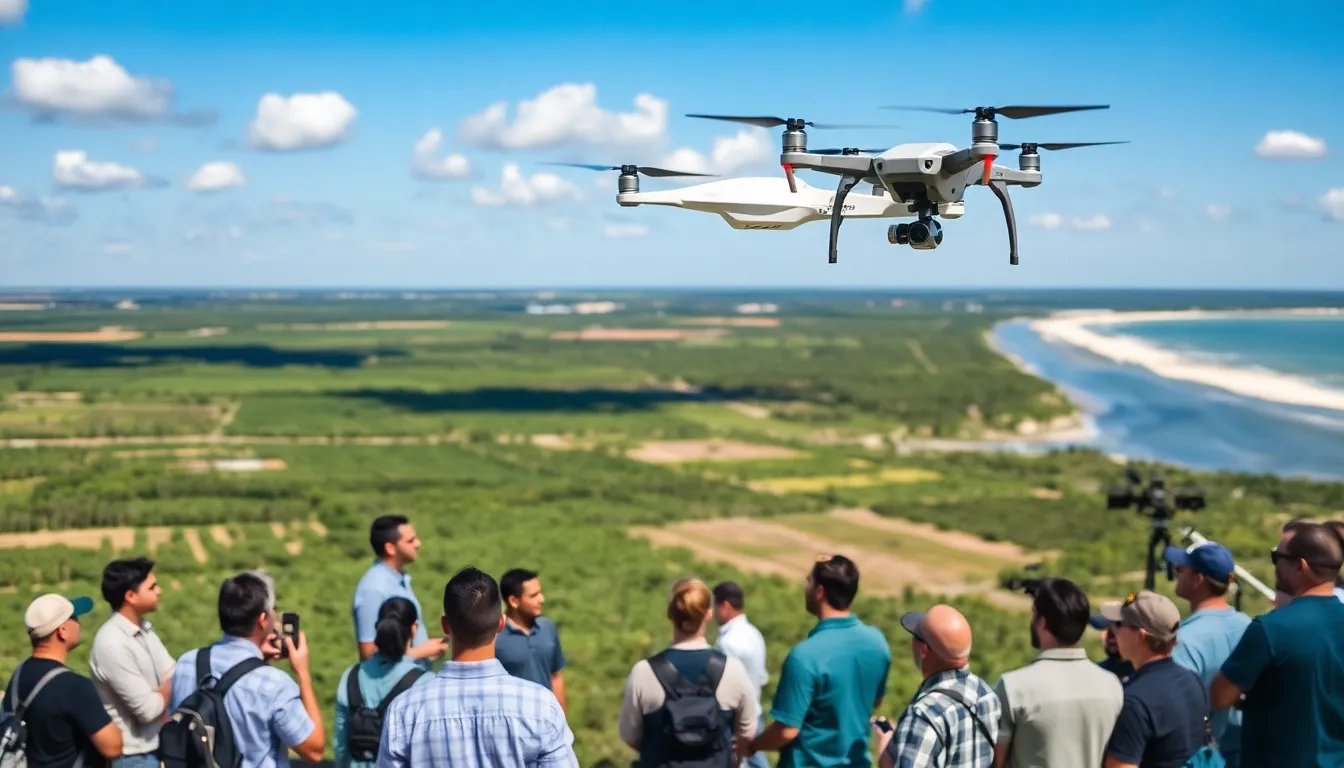
Drones have taken flight across Florida, capturing breathtaking views from the Everglades to urban landscapes. With miles of sandy shores and sprawling agricultural fields, it’s no surprise that drone technology has found fertile ground here. Enthusiasts and professionals alike use drones for various purposes, from recreational outings to high-stakes commercial applications.
Notably, Florida is home to several events and competitions showcasing drone talents, further embedding these flying machines into the state’s culture. The expansive geography offers an ideal playground for drone pilots, pushing the boundaries of what’s possible with aerial photography, mapping, and environmental monitoring.
As drones continue to evolve, they challenge conventional methods in numerous sectors, paving the way for innovation and growth.
Regulations Governing Drone Use
Drones are not exactly free as birds in the skies: they come with a set of regulations designed to ensure safety and privacy. The Federal Aviation Administration (FAA) governs most regulations surrounding drone use, but Florida has its own laws, making it essential for operators to stay informed.
For recreational users, the FAA requires registration for drones weighing more than 0.55 pounds. Pilots must adhere to altitude restrictions and remain within visual line of sight while flying. For those using drones commercially, obtaining a Remote Pilot Certificate becomes necessary, ensuring compliance with strict guidelines.
Florida also has state-specific laws related to drone privacy, so operators should be careful when capturing images or video that involve people or private property. Ignorance of these rules could lead to hefty fines or even criminal charges. Staying educated about regulations is crucial for both new and seasoned drone pilots.
Popular Applications of Drones in Florida
Drones have carved out essential roles in various sectors in Florida, often transforming how tasks are completed. Here’s a look at some popular applications:
Drone Photography and Videography
Aerial photography is perhaps the most well-known use of drones, allowing photographers to take stunning images of Florida’s landscapes. From capturing spectacular sunsets over the Gulf of Mexico to following wildlife through the wetlands, aerial perspectives have never looked better. Real estate agents also leverage drone footage to showcase properties, offering potential buyers a bird’s-eye view that traditional methods can’t match.
Agricultural Drones
In the realm of agriculture, drones play a crucial role in monitoring crops and modifying farming techniques. Florida’s vast farmland benefits from drones that assess crop health, manage irrigation, and even target pest control. By providing real-time data, farmers can optimize growth, conserve resources, and improve yields, eventually contributing to Florida’s economy and food supply.
Public Safety and Emergency Services
Drones have become valuable tools in public safety, aiding emergency services in situations where time is of the essence. During natural disasters, such as hurricanes, drones provide first responders with crucial aerial views of affected areas, allowing for quicker assessments and responses. Law enforcement also employs drones for search and rescue missions, helping locate lost individuals or monitor large events for safety.
Key Considerations for Drone Operators in Florida
It’s essential for drone operators to navigate the skies responsibly, understanding key considerations before they take off:
Drone Insurance and Liability
Insurance should be a top priority for any drone operator, whether flying for fun or for profit. Accidents can happen, and having liability insurance not only protects the pilot but also covers damages that may occur during flights. Operators should explore different policies and understand what’s included, better safe than sorry.
Best Practices for Safe Drone Operation
Safety is paramount. Operators should always check weather conditions before flying, ensure their drone is in good working order, and maintain a clear line of sight. Also, flying in designated areas, and avoiding crowded spaces and sensitive locations like airports is critical to ensuring both personal and public safety.
The Future of Drones in Florida
As technology advances, so does the future of drones in Florida, creating exciting possibilities.
Innovations in Drone Technology
Emerging technologies such as AI and machine learning are anticipated to enhance drone capabilities, enabling complex tasks like automated crop mapping and 3D mapping of urban areas. Future drones will likely be smarter, able to process data on-the-fly, and even collaborate with other drone systems to achieve larger projects.
Impact on Local Businesses and Economy
Drones are poised to drive growth in various sectors, bolstering local economies. From agriculture to tourism, the increased efficiency that drones provide could lead to higher profits and job creation. Businesses that incorporate drones into their operations will likely gain a competitive edge, cementing Florida’s status as a hub for drone innovation.